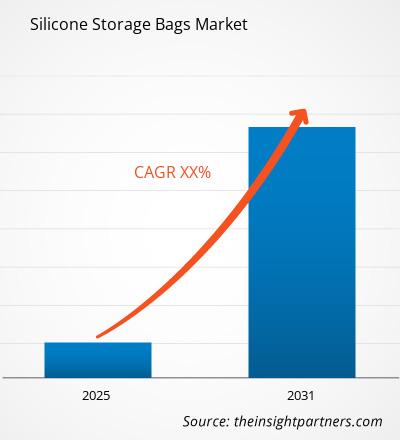
The Silicone Storage Bags Market is growing quickly as households look for reusable alternatives to single-use plastic. It was valued at US$ 949.74 million in 2025. It is expected to reach US$ 1,769.6 million by 2034. That works out to a CAGR of 7.16% between 2026 and 2034. These flexible, washable bags store snacks, sandwiches, leftovers and meal prep, and they can be used again and again.
What Is Driving the Market?
Sustainability is the first driver. Many shoppers are tired of throwaway plastic bags. Silicone bags offer a reusable option that cuts waste in the kitchen, and that fits well with a growing interest in sustainable living.
Versatility is the second driver. One bag can hold sandwiches, fruit, cut vegetables, snacks or soup. Many are also suitable for the freezer, the microwave or a pot of simmering water. This flexibility helps people organize food, cut clutter and save money over time.
Get exclusive insights into the Silicone Storage Bags Market – https://www.theinsightpartners.com/sample/TIPRE00016559
Health awareness adds a third push. Families want safe, reusable bags for everyday use. Silicone is valued as a durable material that is easy to clean, and many buyers prefer it for storing food they serve to children.
Meal prep is also on the rise. More people plan and portion meals in advance, and storage bags that seal well and stack neatly are a natural fit. Growth in sustainable kitchen products supports the same trend.
Challenges remain. Silicone bags usually cost more upfront than disposable ones, and some shoppers need convincing that the savings add up. Competition from other reusable options, such as glass containers and fabric wraps, also keeps pressure on prices. Clear messaging on durability and value can help.
Which Segment Leads?
The report divides the market by product type, application and distribution channel. By product type, it covers sandwich bags, stand-up bags, pocket bags and others. Sandwich bags are the most familiar format, while stand-up bags suit liquids, soups and snacks. Pocket bags add compact storage for on-the-go use.
By application, the report covers commercial and residential use. Homes make up an obvious base of demand, but cafes, catering firms and food service operators also use reusable bags to cut packaging costs. By channel, it covers offline and online sales. Supermarkets and specialty stores let shoppers feel the product, while online platforms offer variety and easy comparison. The full report sizes each segment and shows where growth is strongest.
Which Region Leads?
The study covers North America, Europe, Asia Pacific, and South and Central America. It also looks at the Middle East and Africa. Country coverage includes the US, Canada, Mexico, the UK, Germany, France, Italy, China, India, Japan, Australia and Brazil, among others.
The United States is flagged as a key market, supported by interest in eco-friendly kitchen products and health-conscious choices. Europe has strong sustainability rules and a culture of reducing plastic waste. Asia Pacific combines major silicone manufacturing with a fast-growing consumer base. The full report gives regional and country-level figures for each segment.
Which Companies Are Prominent?
- Stasher
- BlueAvocado Co.
- Bee's Wrap
- EcoLifeMate
- Happy and Healthy Living Designs LLC
- Langsprit
- Shenzhen Kean Silicone Products Co. Ltd.
- AISHN
- Keljun
- JTSC Products
The field mixes well-known reusable brands with specialist manufacturers. Stasher, BlueAvocado and Bee's Wrap have built strong names around sustainable food storage. Shenzhen Kean Silicone Products, Langsprit, AISHN, Keljun and JTSC Products add manufacturing depth and competitive pricing.
Competition centers on design, safety, durability and price. Brands compete by offering better seals, attractive colors and a range of sizes. Companies that build trust through quality and clear sustainability claims are well placed to grow, especially as online sales widen reach.
Buy the Full Report https://www.theinsightpartners.com/buy/TIPRE00016559
What Is Changing in 2026?
Eco-friendly alternatives to plastic bags are moving into the mainstream. What once felt like a niche choice is now a regular part of kitchen shopping. Retailers are giving reusable products more shelf space.
Meal prep is shaping design. Bags are being made in more sizes and shapes to handle portioned meals, snacks and frozen foods. Stand-up formats and wide openings make filling and cleaning easier.
Smart features are on the horizon. Ideas such as bags with built-in sensors point toward products that track freshness or temperature. This could open a new premium tier in the market.
What Are the Investment Opportunities?
Sustainable storage offers a clear opening. As consumers and regulators push to reduce plastic waste, reusable products are well positioned. Brands that make a strong green case can build loyal customer bases.
Smart kitchen innovation is a second path. Silicone bags with built-in sensors could help people keep food fresh and cut waste. Fresh food preservation is a third. Health-conscious shoppers want products that protect taste and quality, and well-designed bags can deliver both.
With steady demand and ongoing innovation, the market is on track to rise from US$ 949.74 million in 2025 toward US$ 1,769.6 million by 2034.
Related Reading / Reports
Explore additional research from The Insight Partners covering related packaging markets:
- Food Service Packaging Market — packaging used by restaurants, cafes and takeaway providers.
- PVDC Shrink Bags Market — barrier bags used to protect and preserve food.
- Recycled Paper Market — paper made from recovered fiber for sustainable packaging.
- Digital Printing Packaging Market — flexible, short-run printing for modern packaging.
About US:
The Insight Partners is among the leading market research and consulting firms in the world. We take pride in delivering exclusive reports along with sophisticated strategic and tactical insights into the industry. Reports are generated through a combination of primary and secondary research, solely aimed at giving our clientele a knowledge-based insight into the market and domain. This is done to assist clients in making wiser business decisions. A holistic perspective in every study undertaken form an integral part of our research methodology and makes the report unique and reliable.
Contact US
If you have any queries about this report or would like a customized version, please reach out to us.
Phone: +1-646-491-9876
E-mail: sales@theinsightpartners.com
Also Available in : Korean | German | Japanese | French | Chinese | Italian | Spanish