The Knitwear is one of the most durable categories in global apparel. It covers cozy cardigans, performance-ready jackets, classic sweaters and everyday caps, and it sits at the intersection of comfort, fashion and function.
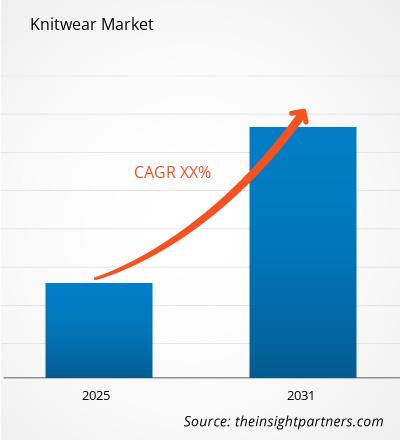
According to The Insight Partners, The Knitwear Market size is expected to reach US$ 667.65 Billion by 2034 from US$ 505.05 Billion in 2025. The market is estimated to record a CAGR of 3.15% from 2026 to 2034.
Market Scope and Segmentation
- By product type: sweaters, jackets, cardigans, caps and others.
- By fabric type: natural, synthetic and blended.
- By end user: men, women and children.
- By distribution channel: supermarkets and hypermarkets, specialty stores, online retail and others.
Geographically, it spans North America, Europe, Asia-Pacific, South and Central America, and the Middle East and Africa, with country-level analysis for the US, Canada, Mexico, the UK, Germany, France, Italy, Russia, China, India, Japan, Australia, Brazil, Argentina, South Africa, Saudi Arabia and the UAE.
Key Growth Drivers
The Insight Partners highlights three main forces behind market expansion.
- Sustainability and eco-friendly knitwear
The first driver is the rise of eco-conscious fashion. Shoppers increasingly ask where their clothes come from and what they are made of. This pushes brands toward organic and recycled fibers, responsibly sourced wool, lower-impact dyeing and more transparent supply chains.
- The personalization revolution
The second driver is demand for custom and individualized knitwear. Consumers want pieces that express personal style, whether through choice of color, pattern, monogram or fit. Digital design tools and flexible manufacturing make small-batch and made-to-order production more practical than before. For brands, personalization can support higher price points, build loyalty and reduce unsold inventory.
- E-commerce expansion
The third driver is the growth of online retail, which has changed how knitwear is discovered and bought. Online channels widen access to specialty and niche brands, make comparison shopping easy and let smaller labels reach global audiences without a physical store network. Detailed product pages, size guides, easy returns and social media marketing also help address a long-standing challenge in apparel, which is that people want to feel a fabric before they buy it.
Emerging Trends
The report points to several trends shaping the category's future:
- Sustainable fashion going mainstream. Eco-friendly knitwear is moving from a niche positioning to an expected feature.
- Customizable options. Made-to-measure and design-your-own offerings are becoming a competitive differentiator.
- Tech-infused knitwear. Smart and functional fabrics, built for everyday comfort, are an emerging area. Examples include temperature-regulating, moisture-managing or sensor-enabled textiles. Sportswear and outdoor brands are especially well placed to push this segment forward.
These trends overlap. A brand might offer a customizable sweater made from recycled yarn and sold primarily online, which touches all three themes at once.
Opportunities For Market
- Sustainable knitwear: eco-friendly fabrics create room for premium positioning and appeal to younger, values-driven buyers.
- Tech-infused knitwear: smart fabrics for everyday comfort open new product categories beyond traditional apparel.
- Personalized knitwear: custom designs for unique styles encourage engagement and repeat purchases.
Competitive Landscape
The knitwear market is shaped by a mix of luxury houses, heritage fashion brands, mass-market retailers and global sportswear companies. The Insight Partners profiles ten participants:
- Adidas AG
- Gap Inc
- Missoni
- Hackett Ltd
- Abercrombie & Fitch Co
- Loro Piana SPA
- Marks and Spencer Group Plc
- Nike Inc
- Puma SE
- Ralph Lauren Corporation
The list reflects the breadth of the industry. Missoni and Loro Piana are associated with high-end design and premium natural fibers. Ralph Lauren and Hackett draw on classic, heritage-driven style. Gap, Abercrombie & Fitch and Marks and Spencer serve broad consumer bases through large retail networks. Adidas, Nike and Puma bring performance and technical fabric expertise, which is relevant to the tech-infused trend.
The report's analysis of competitive strategies and innovation developments suggests the main axes of competition: material innovation, brand storytelling, speed to market and the quality of digital customer experiences.
Future Outlook
The Insight Partners' analysis portrays knitwear as a large, resilient and evolving market. Growing from US$ 505.05 billion in 2025 to US$ 667.65 billion by 2034 at a 3.15% CAGR, the category benefits from sustainability, personalization and the reach of e-commerce. Established global brands and agile specialists alike have room to grow by aligning their products and operations with these shifts. For anyone seeking deeper segment-level and regional detail, the full report offers a more granular view.
About The Insight Partners
The Insight Partners delivers market intelligence and consulting services to help clients make informed decisions. The firm covers industries such as Aerospace and Defense, Automotive and Transportation, Semiconductor and Electronics, Biotechnology, Healthcare IT, Manufacturing, Medical Devices, Technology, Media, and Chemicals and Materials.
Contact Us:
If you have any queries about this report or if you would like further information, please contact us:
Contact Person: Ankit Mathur
E-mail: sales@theinsightpartners.com
Phone: +1-646-491-9876