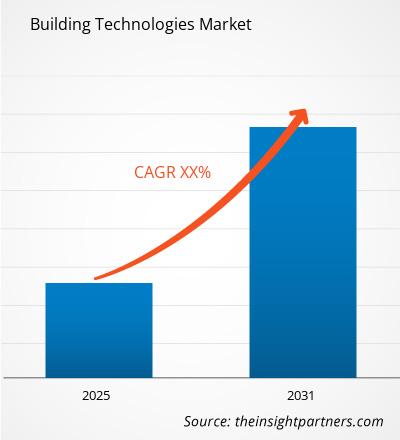
Driven by rapid urban expansion, digital transformation, and stringent carbon-neutral mandates globally, the global Building Technologies Market is embarking on an unprecedented growth trajectory. According to recent industry analytics, the Building Technologies Market size is expected to reach US$ 181.74 Billion by 2034, up from US$ 90.15 Billion in 2025. The market is estimated to record a Compound Annual Growth Rate (CAGR) of 8.10% over the forecast period from 2026 to 2034.
The rapid evolution of modern architecture from static physical concrete structures into dynamic, data-driven digital ecosystems is accelerating the global demand for advanced building solutions. Infrastructure owners and real estate developers are increasingly prioritizing energy management, intelligent security, access control, and automated indoor climate systems to enhance operational efficiency, ensure compliance with government environmental mandates, and lower operational overheads.
Core Drivers Reshaping Modern Building Infrastructure
Several key industry trends and growth catalysts are propelling market expansion across commercial, residential, and industrial real estate sectors:
-
Demand for Energy Management & Sustainability: Buildings account for a major share of worldwide energy consumption. Strict environmental regulations, corporate ESG targets, and rising energy costs are forcing facility managers to adopt smart building energy management systems (BEMS) to optimize heating, ventilation, air conditioning (HVAC), and lighting networks.
-
Digital Transformation & IoT Integration: The convergence of Internet of Things (IoT) sensors, cloud computing, and artificial intelligence (AI) is providing real-time predictive analytics. Modern building management platforms allow automated monitoring of room occupancy, indoor air quality, and preventive equipment maintenance, drastically reducing human error and resource waste.
-
Heightened Focus on Security & Safety: Advanced physical security measures, including biometric access management, automated fire detection, and AI-powered video surveillance, are becoming essential baselines for modern commercial complexes and residential developments.
Get a PDF Sample- https://www.theinsightpartners.com/sample/TIPRE00008383
Key Market Players
The global competitive ecosystem features a mix of established industrial conglomerates, smart automation leaders, and specialized technology providers pushing technological boundaries through strategic partnerships, platform interoperability, and continuous R&D. Prominent key players active in the market include:
-
ABB Ltd.
-
Bosch Sicherheitssysteme GmbH
-
Building Technologies Inc.
-
Eaton Corporation plc
-
Emerson Electric Co.
-
Honeywell International Inc.
-
Johnson Controls
-
Schneider Electric
-
Siemens AG
-
UAB SiemTecha
These industry market leaders are focusing on developing scalable software-as-a-service (SaaS) building management tools, open-protocol wireless sensor networks, and modular retrofitting kits that allow legacy structures to upgrade to smart building standards without costly overhaul efforts.
Get Full Copy of This Report- https://www.theinsightpartners.com/buy/TIPRE00008383
Future Outlook: AI, Digital Twins, and Decarbonization
Looking ahead through 2034, the building technologies sector will transition from isolated automation systems to fully autonomous, self-optimizing cognitive structures.
-
AI-Driven Predictive Operations: Machine learning models will automatically adjust thermal control and lighting output based on real-time weather forecasts, occupancy behavior, and grid pricing fluctuations.
-
Digital Twin Integration: Digital Twin technology will become standard practice during project planning and asset operation. By building virtual replicas of physical buildings, engineering teams can model energy usage scenarios, run simulated emergencies, and perform predictive maintenance before physical equipment fails.
-
Decarbonization & Net-Zero Structures: Smart buildings will play a vital role in regional microgrids, integrating renewable energy sources (such as rooftop solar panels and battery storage systems) directly into local energy distribution frameworks.
As governments continue to tighten carbon emission regulations and building occupants demand healthier, responsive living and working spaces, building technologies will serve as the core pillar for urban infrastructure for decades to come.
Related Reports-
Building Insulation Market Size, Demand & Growth by 2034
Energy-Efficient Building Market Trends, Size & Forecast by 2034
About The Insight Partners
The Insight Partners is a leading market research and consulting firm delivering actionable insights through in-depth industry analysis and strategic intelligence. The firm supports clients across various industries in making informed decisions by providing comprehensive market forecasts, competitive assessments, and growth opportunities.
Contact Us:
If you have any queries about this report or if you would like further information, please contact us:
Contact Person: Ankit Mathur
E-mail: sales@theinsightpartners.com
Phone: +1-646-491-9876
Also Available in : Korean| German| Japanese| French| Chinese| Italian| Spanish