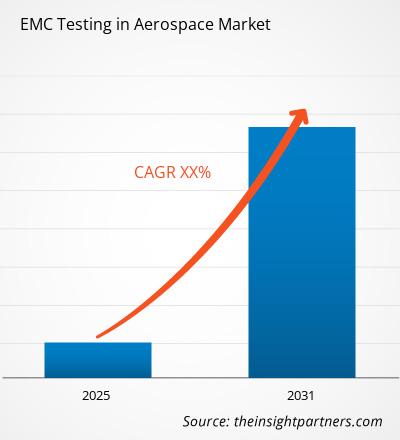
Understanding Electromagnetic Compatibility (EMC) in Aviation
Electromagnetic compatibility testing verifies that electronic components and systems within an aircraft operate reliably without generating excessive electromagnetic interference (EMI) that could degrade the performance of other nearby onboard gear. Furthermore, it ensures that these systems possess adequate immunity to external electromagnetic noise, such as lightning strikes, high-power radar, and satellite communication signals.In aerospace applications, failure due to electromagnetic interference can have catastrophic consequences. From flight control systems and cockpits to in-flight entertainment and radar navigation, every electrical subsystem must undergo rigorous testing to comply with international standards set by bodies like the Federal Aviation Administration (FAA), the European Union Aviation Safety Agency (EASA), and RTCA (e.g., DO-160 standards).Key Drivers and Market Dynamics
- Rise in Commercial Aircraft Deliveries:The surging demand for global air travel post-pandemic has compelled major aircraft manufacturers to boost production lines. The integration of high-density electronic suites in next-generation narrow-body and wide-body aircraft naturally accelerates the demand for comprehensive EMC testing procedures.
- Growth of Unmanned Aerial Vehicles (UAVs) and Urban Air Mobility (UAM):The proliferation of drones for defense and commercial logistics, alongside the development of electric vertical takeoff and landing (eVTOL) aircraft, is expanding the testing addressable market. These novel platforms rely heavily on autonomous wireless control systems and power electronics, making EMC compliance mandatory for safety certification.
- Modernization of Military Fleets:Defense forces worldwide are actively upgrading legacy military aircraft with modern avionics, electronic warfare (EW) capabilities, and advanced radar systems. Testing these platforms against hostile or intense electromagnetic environments remains a key revenue driver for specialized laboratory services.
Get a PDF Sample- https://www.theinsightpartners.com/sample/TIPRE00025696
Key Market Players
The market features a diverse mix of specialized testing providers, global compliance agencies, and advanced engineering consultancies ensuring modern aviation assets meet stringent regulatory standards. Prominent players analyzed in the report include:- Applus
- Element Materials Technology
- Elite Electronic Engineering, Inc.
- EMC Technologies
- Eurofins EandE ETC Limited
- Intertek Group plc
- Pulse Power and Measurement Ltd.
- RN Electronics Ltd
- SengS
- TÜV SÜD
- North America: Dominates a significant market share owing to the presence of major aerospace OEMs, substantial defense spending, and early adoption of innovative aviation technologies.
- Europe: Driven by stringent safety compliance protocols mandated by EASA and active development of hybrid-electric propulsion technologies across major European aerospace hubs.
- Asia-Pacific: Anticipated to register rapid growth during the forecast period due to burgeoning commercial fleet expansions in economies like China and India, coupled with indigenous defense aircraft manufacturing programs.
Get Full Copy of This Report- https://www.theinsightpartners.com/buy/TIPRE00025696
Future Outlook
About Us
The Insight Partners is a one-stop industry research provider of actionable intelligence. We help our clients in getting solutions to their research requirements through our syndicated and consulting research services. We specialize in industries such as Semiconductor and Electronics, Aerospace and Defense, Automotive and Transportation, Biotechnology, Healthcare IT, Manufacturing and Construction, Medical Devices, Technology, Media, and Telecommunications, as well as chemicals and Materials.
Contact Us
If you have any queries about this report or if you would like further information, don’t hesitate to get in touch with us:
Contact Person: Ankit Mathur
E-mail: ankit.mathur@theinsightpartners.com